Category: Exterior Detail

  • What Is Paint Correction? (And Why It Comes Before Ceramic Coating)

    What Is Paint Correction? (And Why It Comes Before Ceramic Coating)

    If you’ve researched ceramic coating, you’ve probably seen the phrase “paint correction first.” It’s not an upsell — it’s the step that determines whether your coating looks incredible or locks in every flaw for years. Here’s what paint correction actually is, why it matters, and how to know if your car needs it.

    What is paint correction?

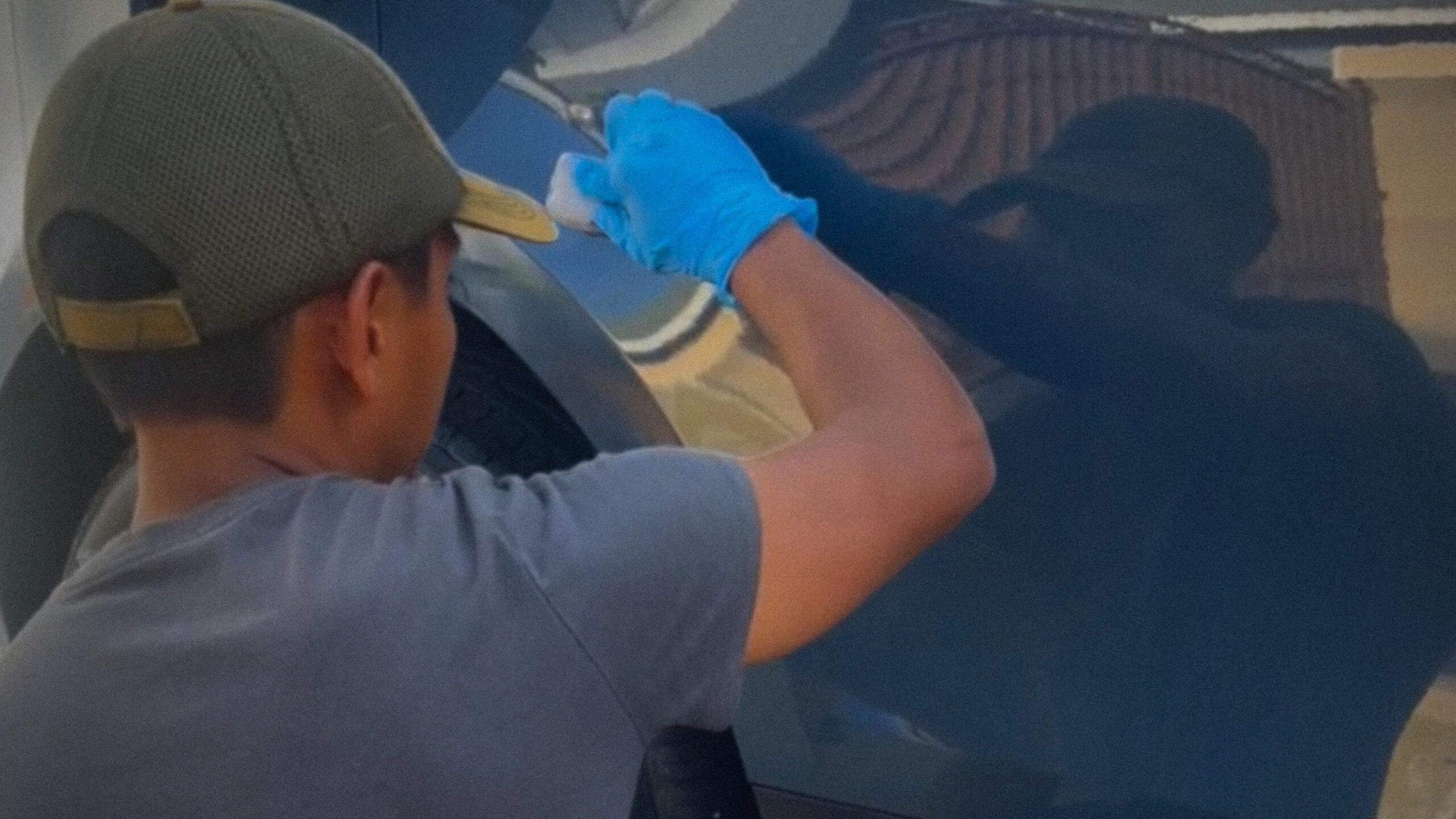
    Paint correction is the mechanical removal of a thin, measured layer of damaged clear coat using abrasive polishes and a dual-action or rotary polisher. The goal isn’t to cover defects — it’s to gently level the clear coat until the surface is flat, clean, and defect-free.

    In plain terms: your paint has microscopic scratches and swirls that scatter light and make the finish look dull or hazy. Correction refines that surface so light reflects evenly again, restoring the deep, glossy look your car had when it was new.

    What problems does paint correction fix?

    Correction is specifically designed to eliminate the defects that build up in your clear coat over time:

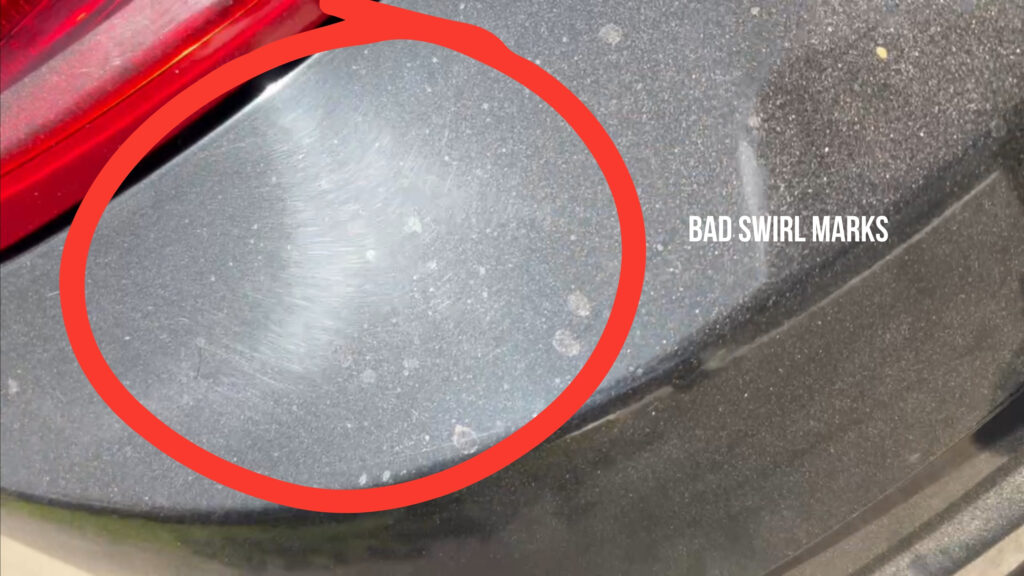
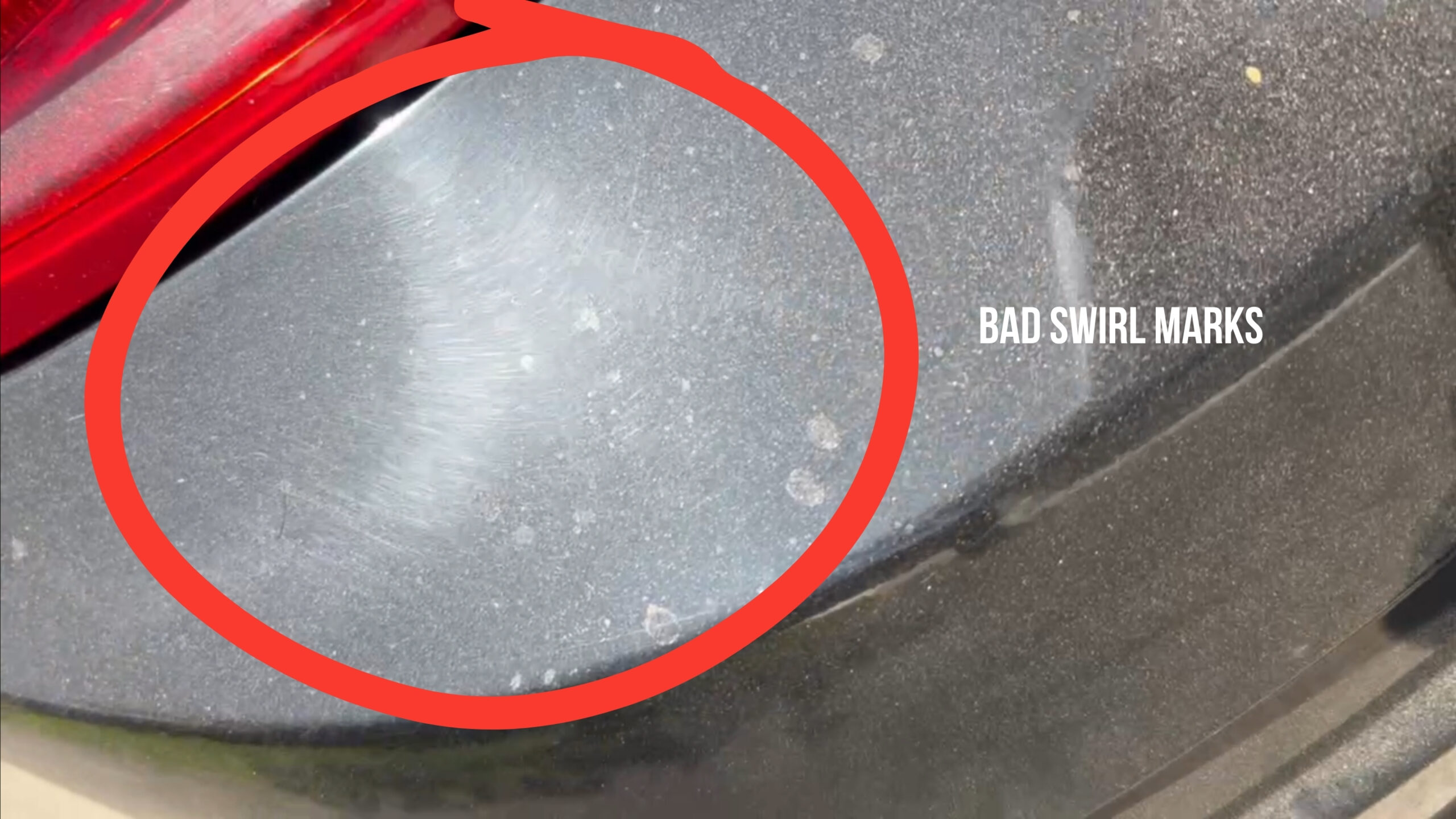
    • Swirl marks — the fine circular scratches from improper washing or automatic car washes
    • Random isolated deep scratches (the ones you catch with a fingernail)
    • Holograms and marring — buffer trails left by poor polishing
    • Water spots and etching — mineral deposits that eat into the clear coat
    • Oxidation — the dull, chalky look from long-term sun exposure

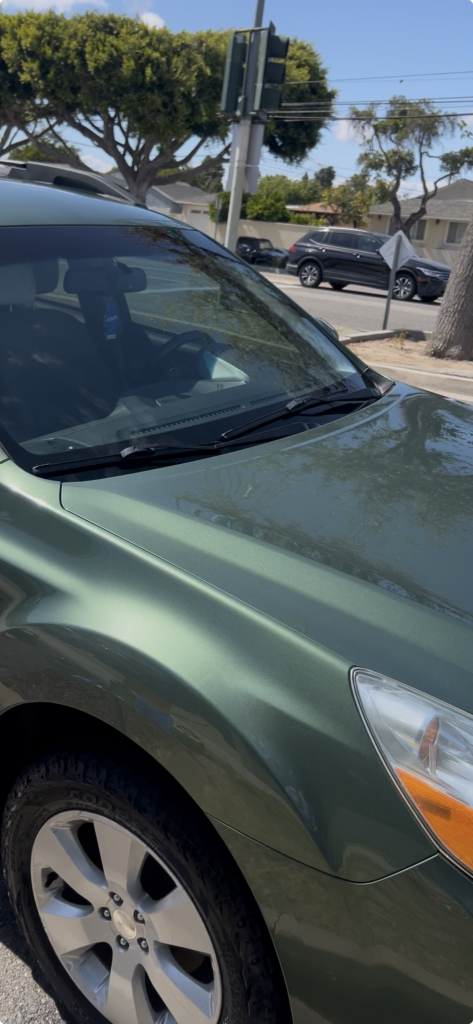
    Once that layer is leveled and refined, what remains is a mechanically flat, glossy surface.

    Why do I need paint correction before ceramic coating?

    This is the big one. A ceramic coating is like a permanent photograph of the paint underneath it. Whatever swirl marks, water spots, or oxidation are on your clear coat the day it’s coated get locked under that layer for the entire lifespan of the coating.

    There are three hard reasons professionals treat correction as non-negotiable before coating:

    1. A coating amplifies whatever is underneath. The gloss a coating adds makes existing defects more visible, not less.
    2. Coatings last for years. Fixing paint after coating means grinding back through the coating — a second full correction, extra cost, and a voided warranty.
    3. Uncorrected paint bonds unevenly. A clean, level surface is what lets the coating bond properly and show its true optical depth.

    Bottom line: skipping correction wastes the biggest benefit of the coating you just paid for. Learn more in our full ceramic coating guide.

    How many “stages” of paint correction are there?

    You’ll hear terms like one-step and two-step (or multi-stage) correction:

    • One-step correction uses a single polishing pass to remove light swirls and boost gloss. It’s ideal for newer cars or paint in decent shape — it won’t erase every deep scratch, but it dramatically improves clarity.
    • Two-step (or multi-step) correction uses a heavier compounding pass followed by a refining polish. It’s for paint with heavier swirling, oxidation, or deeper defects that need more work.

    The right level depends entirely on your paint’s condition, which is why a good detailer assesses the car before quoting.

    Does paint correction remove clear coat permanently.

    Yes — and that’s why it must be done carefully. Correction removes clear coat in controlled microns, so there’s a finite amount that can be safely removed over a car’s life. A skilled detailer removes only what’s needed to level the surface — never more. This is exactly why correction isn’t a DIY-friendly job: too aggressive, and you can burn through the clear coat permanently.

    Why paint correction matters in the South Bay

    South Bay driving conditions are hard on clear coat. Year-round UV accelerates oxidation, and coastal salt air combined with hard-water spotting leaves etching that dulls the finish faster than in inland climates. Cars in Manhattan BeachTorrance, and across the region often show swirl marks and water etching sooner — making correction an important reset before locking in protection with a coating.

    We’re fully mobile and bring correction and coating right to your driveway. See every area we cover on our service areas page.

    The bottom line

    Paint correction is the foundation of a flawless finish. It removes the swirls, scratches, and oxidation that dull your paint, and it’s the essential prep step before ceramic coating — because a coating locks in whatever it’s applied over. Correct first, then protect, and you lock in a finish that looks showroom-new for years.

    Ready to bring your paint back to life? South Bay Detail Guys comes to you. Call (424) 499-7451 or (310) 897-1367 for a free quote. When you’re ready to protect that finish, read our complete ceramic coating guide.

    FAQ

    What is paint correction?
    Paint correction is the mechanical removal of a thin layer of damaged clear coat with abrasive polishes to eliminate swirl marks, scratches, and oxidation, restoring a flat, glossy, defect-free surface.

    Do I need paint correction before ceramic coating?
    If your paint has any swirls, scratches, water spots, or oxidation, yes. A coating locks in whatever is underneath for years, so correcting first ensures you seal a flawless finish rather than trapped defects.

    What’s the difference between one-step and two-step correction?
    One-step is a single polishing pass for light swirls and newer paint; two-step adds a compounding pass for heavier defects and oxidation. The right choice depends on your paint’s condition.

    Can paint correction remove deep scratches?
    It can remove or greatly reduce scratches within the clear coat, but scratches that have gone through to the base paint or primer can’t be fully corrected by polishing alone.

    Is paint correction a DIY job?
    It’s risky. Correction permanently removes clear coat in microns, and being too aggressive can burn through it. For a lasting result — especially before a coating — professional correction is the safer choice.
  • Is Ceramic Coating Worth It for South Bay Drivers?

    Is Ceramic Coating Worth It for South Bay Drivers?

    If you’ve spent any time researching how to protect your car’s paint, you’ve run into the term “ceramic coating” — and a lot of conflicting opinions about whether it’s worth the money. This guide answers the real questions drivers actually ask: what ceramic coating is, how it works, how long it lasts, what it costs, and whether it makes sense for you, especially living near the coast here in the South Bay.

    By the end, you’ll know exactly what you’re paying for and whether it’s the right protection for your vehicle.

    What is ceramic coating, in plain English?

    A ceramic coating is a liquid polymer that chemically bonds with your car’s factory clear coat, forming a thin, semi-permanent protective layer on top of the paint . Once it fully cures, it becomes part of the surface rather than just sitting on top of it.

    Think of it as an invisible shell. It doesn’t change how your paint looks day to day — except that it adds noticeable gloss and depth — but it changes how your paint behaves. Water beads up and rolls off, dirt struggles to stick, and contaminants that would normally etch into your clear coat get a barrier standing in their way.

    That bonding is the whole point, and it’s what separates a real coating from a bottle of wax.

    How is ceramic coating different from wax?

    This is probably the most common question people ask, so let’s settle it.

    Wax sits on top of your paint as a sacrificial layer. It takes the wear first, then gradually fades away — usually within weeks. A helpful way to picture it: wax is like sunscreen for your paint. It adds a temporary barrier, helps for a while, then weather, washing, and heat wear it down.

    Ceramic coating bonds to the paint and stays put far longer. Because it chemically links to the clear coat instead of resting on top, it holds up against heat, UV exposure, environmental contaminants, soaps, and harsh detergents in a way wax simply can’t.

    Here’s the simple rule: wax is for people who don’t mind reapplying protection often. Ceramic coating is for people who want durable, longer-cycle protection they don’t have to redo every month.

    How long does ceramic coating last?

    A professionally applied ceramic coating provides multi-year protection — typically in the range of two to five years depending on the product tier, how it was applied, and how well you maintain it. That’s a dramatic step up from wax, which needs reapplication every few weeks to a couple of months.

    The key phrase is “when applied correctly and cared for properly.” A coating is not bulletproof and it’s not maintenance-free. It still needs regular gentle washing to perform at its best — but the upkeep is far easier because dirt and water release from the surface so readily.

    Does ceramic coating actually protect against sun damage?

    Yes — and this matters a lot in Southern California.

    UV rays are one of the biggest long-term threats to your car’s finish. Constant sun exposure breaks down the clear coat over time, leading to oxidation, fading, and a dull, chalky look that’s expensive to reverse. Ceramic coatings add meaningful resistance to that UV exposure and heat, helping preserve the paint’s color and gloss for longer.

    If your car lives outside — a driveway in Torrance, a work lot in El Segundo, or curbside near the beach — you’re getting far more sun exposure than a garage-kept vehicle, and that’s exactly where a UV-resistant coating earns its keep. (See our mobile detailing in Torrance if that’s you.)

    Why ceramic coating makes extra sense in the South Bay

    Living near the ocean is great for you and hard on your car.

    Salt air is relentless. The same coastal breeze you love carries salt and moisture that accelerate paint dulling and, over time, corrosion. Cars parked near the water in Manhattan BeachSan Pedro, or up on the Palos Verdes bluffs face a tougher environment than cars a few miles inland. A ceramic coating adds a durable barrier between that salt-laden air and your clear coat, and its water-repelling surface means salt residue rinses away far more easily.

    Sun plus salt is a double hit. Between year-round UV and coastal moisture, South Bay paint ages faster than the national average. That’s the core reason we recommend coating for coastal vehicles — it directly targets the two conditions doing the most damage here.

    You can see every city we cover on our service areas page — we’re fully mobile and come to you.

    How much does ceramic coating cost, and is it worth it?

    Professional ceramic coating is an investment. Pricing varies with vehicle size, paint condition, and how many layers or years of protection you want. At South Bay Detail Guys, our ceramic coating packages run $750 to $1,750, which reflects the prep work, product quality, and durability involved.

    So is it worth it? For most people, the answer comes down to three things:

    1. Protection value. You’re shielding a much more expensive asset — your paint and clear coat — from UV, salt, chemicals, and contaminants that cause permanent, costly damage.
    2. Time saved. Because dirt and water don’t bond to a coated surface, washing gets faster and easier for years. Less frequent waxing, less scrubbing.
    3. Resale value. This is the part people underestimate. Well-maintained paint holds value. Detailing and paint protection can raise a vehicle’s trade-in value by roughly 8% to 12% on average, and pristine cars can command 10% to 20% more than the same vehicle in rough condition. On a higher-value car, that alone can offset the cost of the coating.

    If you keep your car for several years or care about resale, ceramic coating usually pays for itself in protection and preserved value.

    Do I still need to wash my car after ceramic coating?

    Yes. This is one of the biggest misconceptions. A coating makes washing easier, not unnecessary. Contaminants still land on the surface — they just don’t stick or etch the way they would on unprotected paint. Regular gentle washing keeps the coating’s water-beading and gloss performing at their peak. Think of the coating as making maintenance dramatically simpler, not eliminating it.

    Can ceramic coating be applied over damaged or swirled paint?

    Not effectively. A coating locks in whatever condition your paint is in — so if there are swirl marks, scratches, or oxidation, the coating seals them under the surface. That’s why proper prep matters so much.

    For paint that already shows swirls or light scratches, the right sequence is paint correction first, then ceramic coating.Correction removes the imperfections and restores true gloss and clarity; the coating then locks in that corrected, flawless finish. Rushing to coat over damaged paint wastes the biggest benefit of the whole process.

    Can I apply ceramic coating myself?

    You can buy consumer “ceramic” sprays and DIY kits, but be careful — a lot of what’s marketed as “ceramic” is actually a hybrid sealant or SiO2 detail spray that behaves more like a slightly better wax than a true coating. They’re fine for a quick boost, but they don’t deliver the multi-year, chemically-bonded protection of a professional-grade coating.

    The bigger issue is prep and application. A true coating requires a decontaminated, corrected, perfectly clean surface and controlled conditions during curing. Mistakes — high spots, streaking, coating over trapped contaminants — are common in DIY jobs and are difficult to fix once cured. For a semi-permanent product you’re trusting for years, professional application is usually the safer investment.

    How do I decide if ceramic coating is right for me?

    Ask yourself:

    • Does my car live outside or near the coast? If yes, UV and salt protection matter a lot — coating is a strong fit.
    • Do I plan to keep the car a while, or care about resale? If yes, the protection and preserved value make the math work.
    • Do I want easier upkeep for years instead of frequent waxing? If yes, coating saves you time.
    • Is my paint in good shape, or does it need correction first? Either way, the plan is clear — correct if needed, then coat.

    If you answered yes to most of these, ceramic coating is very likely worth it for you.

    The bottom line

    Ceramic coating isn’t a gimmick and it isn’t magic. It’s a durable, chemically-bonded layer of protection that resists UV, heat, chemicals, and contaminants far better than wax, lasts for years instead of weeks, makes your car easier to maintain, and helps preserve resale value. For South Bay drivers dealing with year-round sun and coastal salt air, it targets exactly the conditions doing the most damage to your paint.

    If you want it done right — with proper prep, correction where needed, and professional application — South Bay Detail Guys comes to you. We’re fully mobile and serve the entire South Bay.

    Get a free quote today: (424) 499-7451 or (310) 897-1367. See all the cities we serve, or explore mobile detailing near you.

    FAQ

    Is ceramic coating worth it?
    For most drivers, yes. It provides multi-year protection against UV, heat, chemicals, and contaminants, makes washing easier, and helps preserve resale value — detailing and paint protection can raise trade-in value by around 8–12% on average.

    How long does ceramic coating last?
    A professionally applied coating typically lasts multiple years — generally two to five — when properly applied and maintained, versus weeks for wax.

    Is ceramic coating better than wax?
    Yes for durability. Wax is a temporary sacrificial layer that fades in weeks; ceramic coating chemically bonds to the clear coat and resists UV, heat, and chemicals for years.

    Does ceramic coating protect against sun damage?
    Yes. It adds resistance to UV exposure and heat, helping prevent the oxidation and fading that dull a car’s finish over time — especially important in sunny coastal climates.

    Do I still have to wash my car after ceramic coating?
    Yes, but it’s much easier. Dirt and water don’t bond to the coated surface, so washing is faster and contaminants rinse away more readily.

    Should I get paint correction before ceramic coating?
    If your paint has swirls, scratches, or oxidation, yes. A coating seals in whatever condition the paint is in, so correcting first ensures you lock in a flawless finish.

    How much does ceramic coating cost?
    At South Bay Detail Guys, ceramic coating ranges from $750 to $1,750 depending on vehicle size, paint condition, and the level of protection.

  • The Hidden Dangers of Express Car Washes: How They Damage Your Clear Coat (and What to Do Instead)

    The Hidden Dangers of Express Car Washes: How They Damage Your Clear Coat (and What to Do Instead)

    That $8 express wash on the way to work feels like a win — five minutes, no effort, car looks shiny driving away. But if you’re doing this weekly, you may be quietly destroying the one layer of paint that’s protecting your car’s finish: the clear coat. Here in the South Bay, where salt air and constant sun already put extra stress on paint, that damage adds up faster than most drivers realize.

    What Is Clear Coat, and Why Does It Matter?

    Clear coat is the transparent top layer sprayed over your car’s color coat. It’s not just there for shine — it’s the actual protective barrier standing between your paint and the outside world: UV rays, oxidation, bird droppings, road grime, and chemical exposure. Once clear coat is compromised, the color coat beneath it starts degrading, and there’s no wax or coating that can “fix” that — only expensive paint correction or a repaint.

    How Express and Automatic Washes Actually Damage Your Paint

    Most express washes aren’t designed to protect your paint — they’re designed for speed and volume. Here’s what’s happening every time your car goes through one:

    Spinning brushes and cloth strips create swirl marks
    Those large rotating brushes or cloth strips touch every car that comes through that day, picking up grit, dirt, and dead paint particles from previous vehicles. That debris gets dragged across your paint under pressure, creating fine scratches called swirl marks — the “spiderweb” pattern you see under direct sunlight or at night under streetlights.

    Harsh detergents strip wax, sealant, and coating protection
    Many tunnel washes use high-pH detergents designed to cut through grease and grime fast. Those same chemicals strip away wax, sealants, and can degrade even ceramic coatings over repeated washes — leaving your paint exposed right when it needs protection most.

    Shared water and reused equipment spread contaminants
    Unlike a hand wash using fresh water and clean microfiber per panel, automated systems often recirculate water and reuse the same brushes/cloths on every car. Contaminants from a dirty truck ahead of you can end up embedded in your paint.

    Poor or no proper drying causes water spots
    Many express washes either skip drying entirely or use unfiltered forced air, which can leave mineral deposits (water spots) that etch into clear coat over time if not addressed.

    Underbody and wheel well grime gets missed
    Automated systems are built for speed on the visible panels — they routinely miss wheel wells, door jambs, and undercarriage areas where salt, sand, and grime accumulate and accelerate corrosion, especially for South Bay vehicles exposed to coastal air.

    Signs Your Clear Coat Is Already Damaged

    • Fine, web-like scratches visible under direct sunlight or LED light (swirl marks)
    • A hazy, dull look even right after washing
    • Reduced water beading — water sheets flat instead of forming beads
    • Chalky, faded, or oxidized-looking patches, especially on the roof, hood, and trunk (the panels most exposed to sun)
    • Small areas where the clear coat appears to be peeling or flaking (advanced failure — usually requires professional correction or repaint)

    If you’re noticing any of these, the damage is already done — the goal at that point shifts from prevention to correction.

    Why This Matters More in the South Bay

    Living near the coast in Redondo Beach, Hermosa Beach, Manhattan Beach, or Torrance means your paint already deals with salt air, marine humidity, and near-constant sun exposure. Once an express wash strips away wax or coating protection, that bare, vulnerable clear coat is exposed to all of that — which is why cars washed regularly at tunnel washes near the beach often show oxidation and dullness faster than similar vehicles inland.

    How to Prevent Clear Coat Damage

    Skip the brush, choose hand washing
    A proper hand wash using clean microfiber mitts and fresh water per panel (which is exactly how we do every Exterior Detail) avoids the swirl-mark risk entirely.

    Apply a ceramic coating for real protection
    A 2–3 year ceramic coating creates a hard, bonded layer that resists chemical stripping far better than wax, and makes your paint significantly more resistant to the kind of surface damage express washes cause — even if you occasionally can’t avoid one.

    If your paint already has swirls or oxidation, correct it before protecting it
    Coating over already-damaged clear coat just locks in the existing swirls and haze. A paint correction step polishes those imperfections out first, so the coating goes on top of a genuinely clean, level surface.

    Choose touchless or mobile hand-wash options when you can’t DIY
    If convenience is the draw of express washes, mobile detailing solves the same problem without the paint risk — we come to your home or office, so you’re not sacrificing protection for convenience.

    Dry properly, every time
    Air-drying or letting the sun dry your car leads to water spots that can etch into clear coat over time. A proper hand-dry with clean microfiber prevents this.

    Frequently Asked Questions

    Are all automatic car washes bad for clear coat?
    Not all — “touchless” or laser/foam-only washes that use no physical brushes or cloths are significantly safer than traditional tunnel washes with spinning brushes. The brushes and cloth strips are the primary source of swirl-mark damage.

    Can swirl marks be removed once they’re there?
    Yes, in most cases. Swirl marks are typically light surface-level scratches in the clear coat that can be polished out through paint correction, which is why we include correction before every ceramic coating application.

    How often is it safe to use an express wash?
    There’s no universally “safe” frequency — even occasional use exposes your car to shared brushes and stripping detergents. If convenience is the priority, a touchless wash or mobile hand wash is a much lower-risk option.

    Does ceramic coating make my car immune to express wash damage?
    No coating makes your paint scratch-proof, but a properly applied ceramic coating significantly increases resistance to the chemical stripping and light surface damage that causes most of the visible dulling from repeated automatic washes.

    How do I know if I need paint correction or just a regular detail?
    If you can see swirl marks or dullness under direct sunlight or at night under LED lighting, that’s usually a sign correction is needed rather than just a standard wash. We do a visual inspection before every appointment and will tell you honestly which service your car actually needs.

    Protect Your Paint the Right Way

    South Bay Detail Guys hand washes every vehicle, panel by panel, with fresh water and clean microfiber — no shared brushes, no stripping chemicals. If your paint is already showing swirls or oxidation from express washes, we can correct it and lock in real protection with a 2–3 year ceramic coating. [Book your appointment today] and give your paint the protection an $8 wash never could.

  • Is Ceramic Coating Worth It? Benefits, Cost, and Maintenance Guide (South Bay Edition)

    Is Ceramic Coating Worth It? Benefits, Cost, and Maintenance Guide (South Bay Edition)

    If you park near the beach in Redondo Beach, Hermosa Beach, Manhattan Beach, or anywhere else in the South Bay, your paint is working overtime. Salt air, marine humidity, UV exposure, and sandy parking lots break down wax protection fast — which is why so many of our clients ask the same question: is ceramic coating actually worth the cost, or is it just an upsell? Here’s an honest breakdown.

    What Ceramic Coating Actually Does

    Ceramic coating is a liquid polymer applied to your car’s exterior that chemically bonds to the paint, creating a hard, glass-like protective layer. Unlike wax, which sits on top of the paint and breaks down within weeks, a professionally applied coating lasts years and provides:

    • Hydrophobic protection — water and grime bead up and slide off instead of sitting on the paint
    • UV resistance — reduces sun-fading and oxidation, especially important for South Bay’s near-constant sunshine
    • Chemical resistance — better protection against salt air, bird droppings, tree sap, and road grime
    • Enhanced gloss — a noticeably deeper, wetter-looking shine right after application
    • Easier maintenance washing — dirt and grime release more easily, so regular washes take less time and effort

    What Ceramic Coating Doesn’t Do

    To set realistic expectations: ceramic coating is not a magic shield. It won’t prevent rock chips, deep scratches, or dents, and it doesn’t mean you can skip washing your car. Think of it as making your paint easier to protect and maintain — not indestructible.

    South Bay Detail Guys Ceramic Coating Pricing

    We offer two tiers, both including paint correction before the coating is applied (coating over unprepped paint locks in existing swirls and imperfections, so correction first is non-negotiable for a good result):

    PackagePrice*Best For
    Light Paint Correction + 2–3 Year Ceramic Coating$1,000Newer vehicles with minor swirls, or maintaining an already-good finish
    Standard Paint Correction + 2–3 Year Ceramic Coating$1,500Vehicles with more visible swirls, light scratches, or oxidation that need real correction before coating

    *Base pricing applies to standard-size vehicles. Vehicle size adjustments apply: Small SUV +15%, Large SUV/Minivan/Pickup +30%, Transit/Cargo Van +45%.

    For example, a Standard Paint Correction + Ceramic Coating on a large SUV would run approximately $1,950.

    Is Light or Standard Correction Right for Your Car?

    • Choose Light Correction if your car is newer, garage-kept, or you’ve been diligent about washing and waxing — there’s less to correct, so the process focuses mainly on prep and coating application.
    • Choose Standard Correction if you can see visible swirl marks, light scratches, water spots, or dullness in the paint under direct sunlight — this tier includes more intensive polishing to remove those defects before the coating goes on.

    Not sure which one your car needs? We do a visual inspection under proper lighting before every job and will tell you honestly which tier makes sense — we’d rather you get an accurate recommendation than oversell a $1,500 job your car doesn’t need.

    How Long Does It Actually Last?

    Our ceramic coatings are rated for 2–3 years, but real-world longevity depends on:

    • How often the car is washed (and with what products)
    • Garage vs. outdoor/street parking
    • Exposure to salt air if parked near the coast
    • Whether abrasive automatic car washes are used (we recommend avoiding these — they shorten coating life)

    With reasonable care — hand washing with pH-neutral soap, avoiding automatic brush washes, and periodic maintenance details — most clients get the full 2–3 years of protection.

    Is It Worth It for a Daily Driver?

    Short answer: for most South Bay drivers, yes. Here’s the math that convinces most clients:

    • A basic wax job needs reapplying every 1–3 months and offers a fraction of the protection.
    • Over 2–3 years, that’s 8–24 separate wax applications versus one ceramic coating application.
    • Add in the reduced washing time, better resistance to salt air and sun damage, and the resale-boosting appearance of well-maintained paint, and the cost difference narrows quickly.

    It makes the most sense if you: plan to keep the car for several years, park outdoors or near the coast, or are prepping a vehicle for resale and want it to look its best in listing photos.

    Frequently Asked Questions

    How long does the ceramic coating process take?
    Depending on correction level and vehicle size, plan for a half-day to full-day appointment. Because it’s a multi-step process (wash, decontamination, correction, coating application, curing), it can’t be rushed for good results.

    Can I wash my car right after coating?
    We recommend waiting at least 7 days after application to allow the coating to fully cure before washing, and avoiding automatic car washes indefinitely.

    Does ceramic coating prevent rock chips or scratches?
    No — it protects against chemical and UV damage and makes the surface easier to clean, but it won’t stop physical impacts like rock chips or deep scratches.

    Is ceramic coating better than a wax or sealant?
    Yes, in terms of longevity and protection. Wax and sealants need frequent reapplication and offer weaker protection against UV and chemical damage compared to a bonded ceramic coating.

    Do you offer this as a mobile service?
    Yes — South Bay Detail Guys brings the full paint correction and ceramic coating process to your home or office anywhere in Redondo Beach, Hermosa Beach, Manhattan Beach, Torrance, El Segundo, or Lawndale.

    Ready to Protect Your Paint?

    Whether your car needs a light refresh or a full correction before coating, South Bay Detail Guys will give you an honest recommendation and bring the concierge car spa experience to your driveway. [Book your ceramic coating consultation today] and see the difference proper paint protection makes.